How to Play
Quantum Continuum combines two classic puzzle mechanics into one novel challenge.
The Objective
Fill every cell in the grid with consecutive numbers from 1 to N (where N is the total number of cells). Each number must connect to the next following specific movement rules that depend on the cell's zone type. Some numbers are pre-filled as clues to guide your path.
Two Zone Types
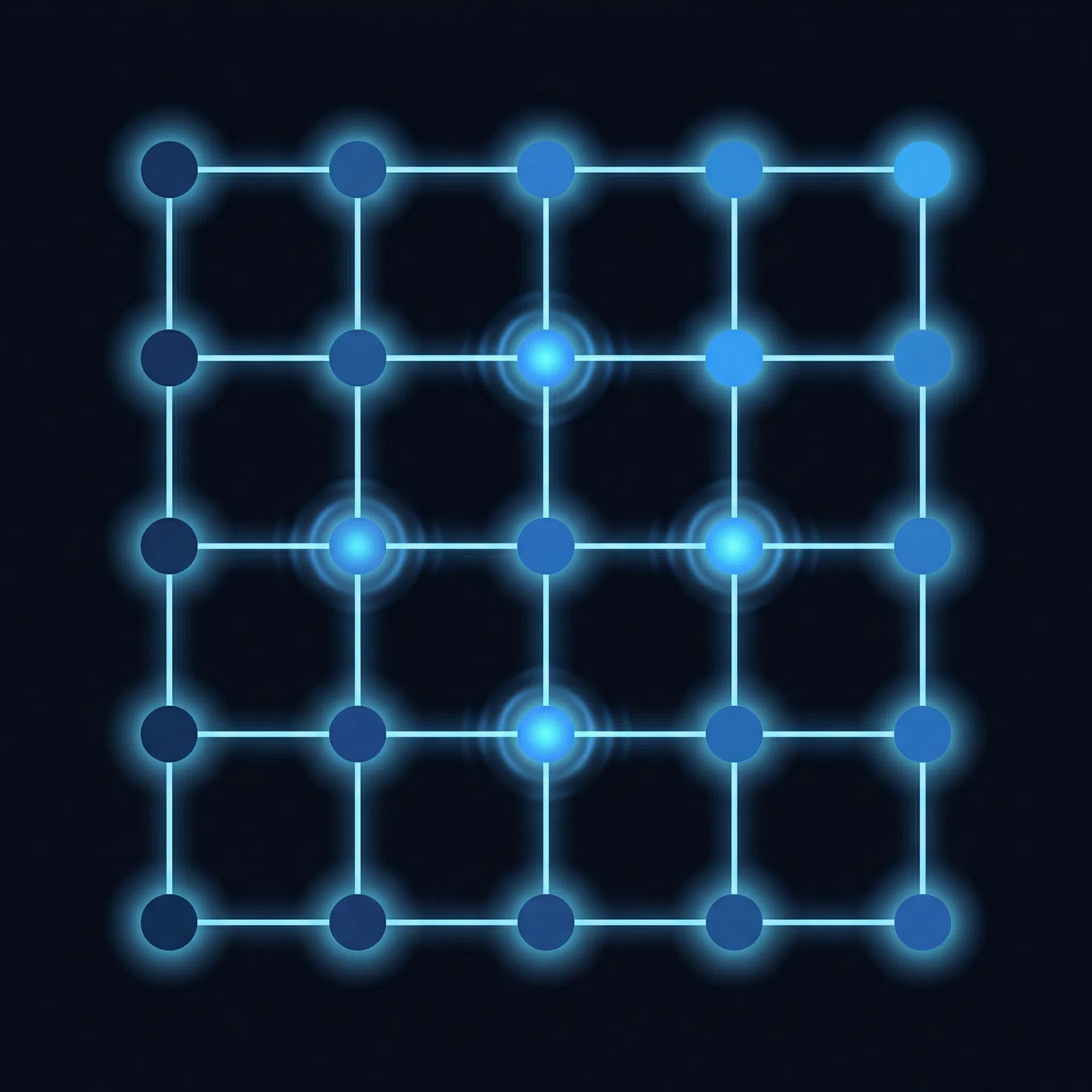
Classical Zone
Based on Hidato mechanics. Numbers connect to any of the 8 adjacent cells — horizontally, vertically, or diagonally.
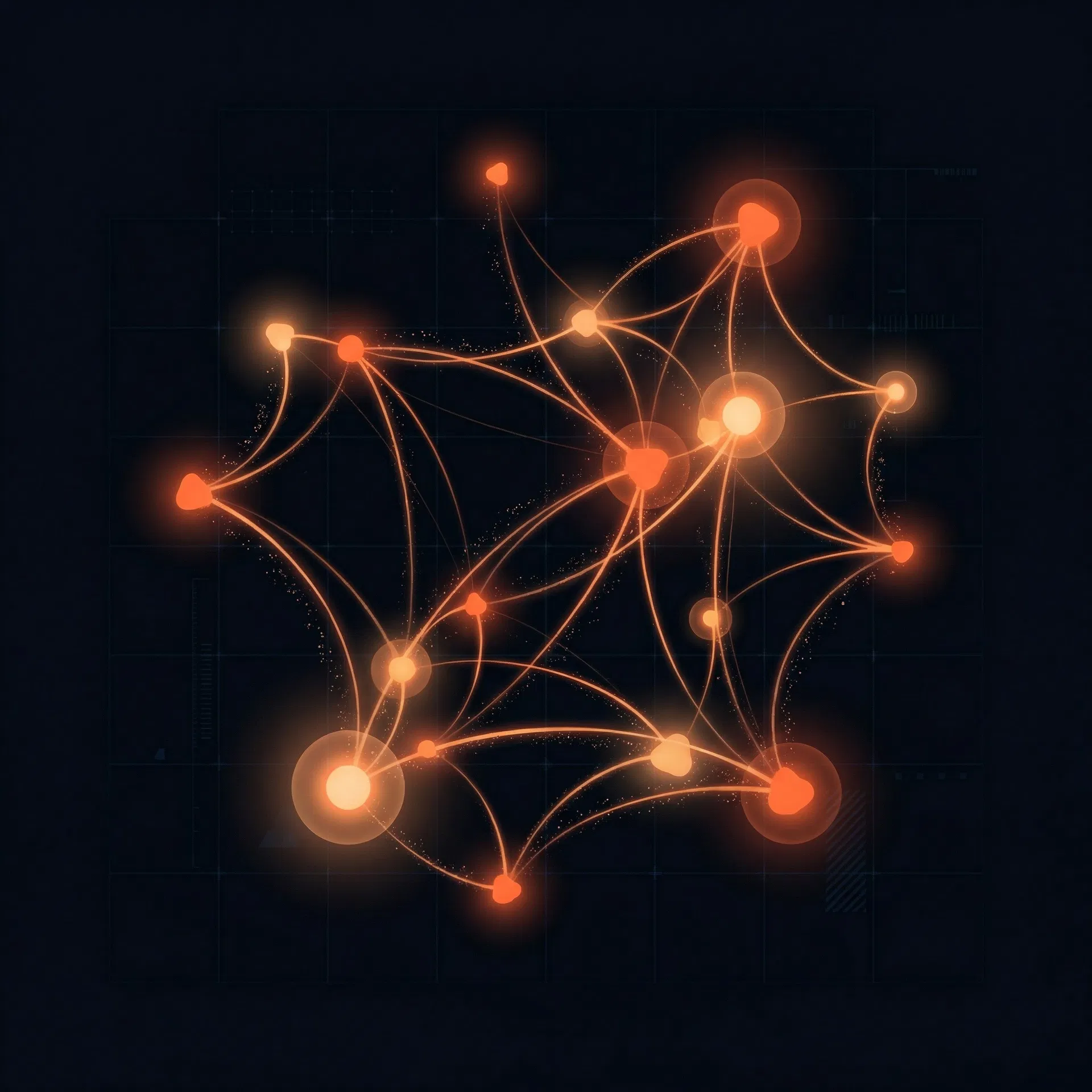
Quantum Zone
Based on Sukeima (Knight's Tour) mechanics. Numbers connect via the chess Knight's L-shaped move — 2 squares in one direction, then 1 square perpendicular.
Try It Yourself
Click the pulsing cell in each scenario to place the number and learn the mechanics.
Classical Zone: Adjacent Movement
In a Classical (blue) zone, the next number must be placed in one of the 8 surrounding cells. Click the highlighted cell to place number 2.
The Quantum Continuum Rule
The movement rule is determined by the destination cell's zone:
Moving into a Classical (blue) cell: the previous number must be in an adjacent cell (8 directions).
Moving into a Quantum (orange) cell: the previous number must be a Knight's move away.
This creates fascinating zone-transition puzzles where you must think in two different movement paradigms simultaneously.
Difficulty Levels
Nebula (Easy)
Smaller quantum zones, more clues. Perfect for learning the mechanics.
Pulsar (Medium)
Balanced mix of zones and clues. The standard challenge.
Quasar (Hard)
Larger quantum zones, fewer clues. For experienced navigators.
Algorithm Origins
Quantum Continuum is a novel hybrid that merges two established puzzle families:
Hidato (Hidoku)
Invented by Dr. Gyora M. Benedek. Fill a grid with consecutive numbers that connect via 8-directional adjacency. The foundation for our Classical zones.
Sukeima (Knight's Tour)
Based on the classic Knight's Tour problem from chess mathematics. Fill a grid with consecutive numbers following the Knight's L-shaped movement. The foundation for our Quantum zones.